


Today we’re talking about…
Recent extreme weather events have reminded usof an uncomfortable truth:just how fragile the infrastructure that supports our daily lives really is, and how ill-prepared we are for what lies ahead. The climate crisis is no longer a future scenario. It is affecting real lives, communities, and environments right now.
From a sector like ours—the technology sector—facing this head-on calls for a moment of reflection. What is our role here? We need to be honest: Technology doesn’t reverse the damage or stop a storm. It’s not a magic solution. But it can help us anticipate, protect against, and mitigate the impact. And that—prevention—is where it makes sense to talk about digitalization and climate.

A climate that no longer recognizes borders
Climate change does not discriminate between countries, but it does manifest differently depending on the region. Two examples we have observed firsthand illustrate this point well.
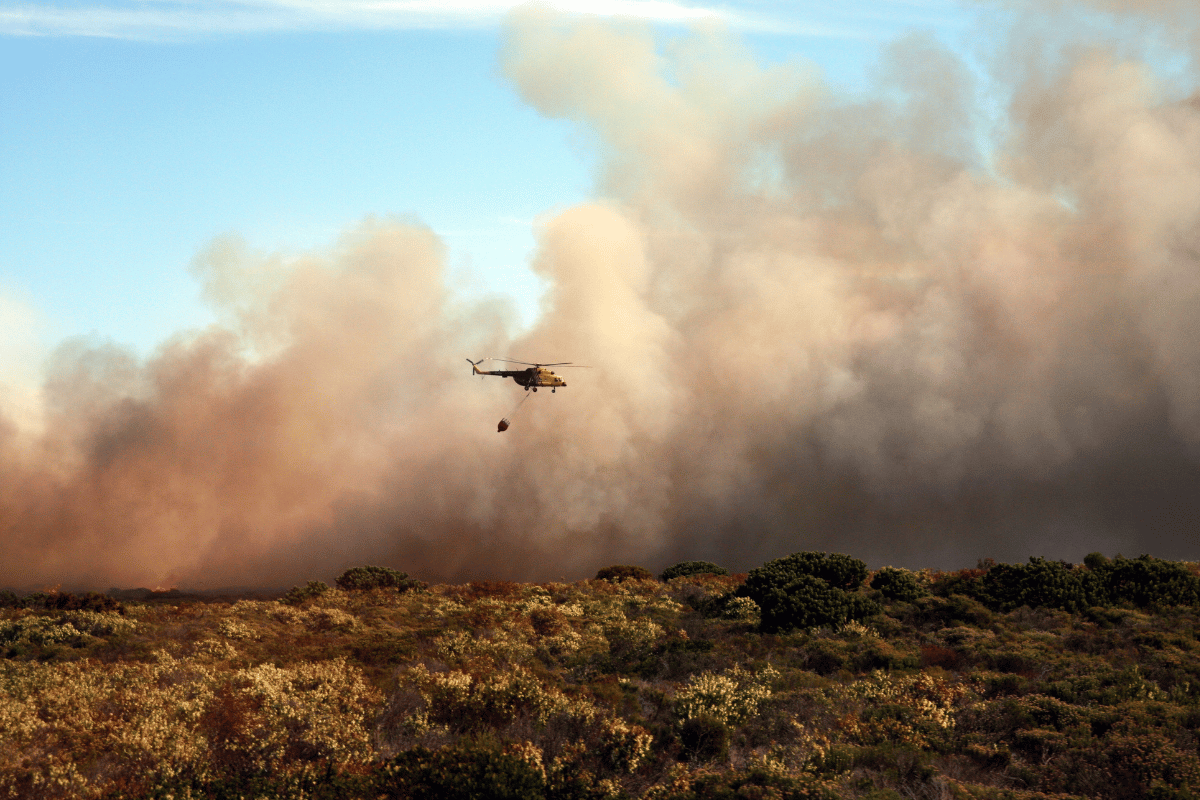
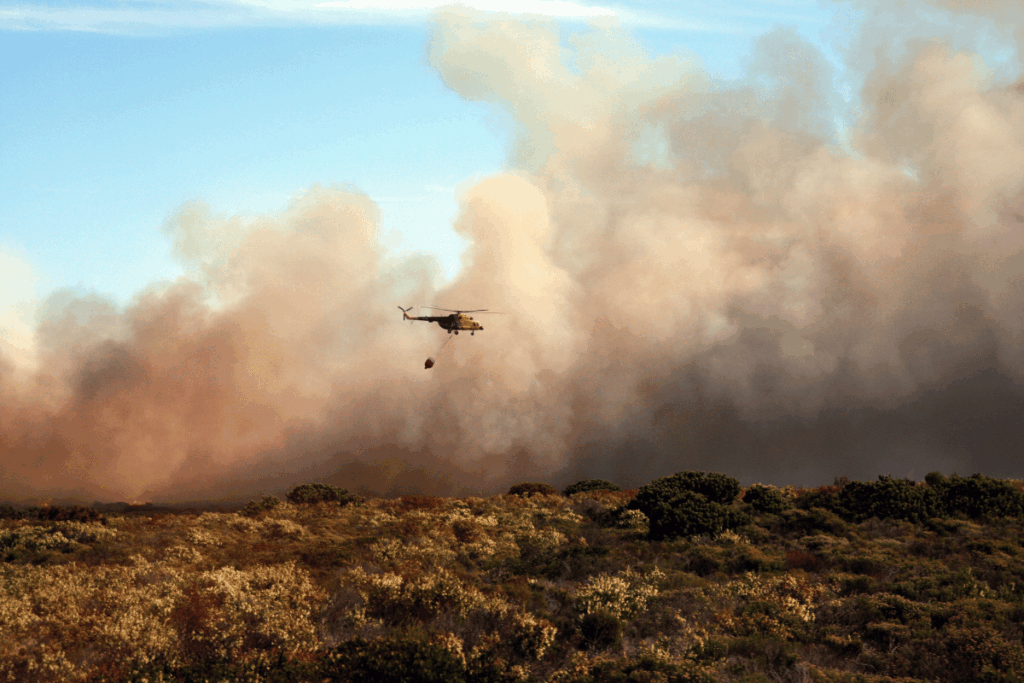
In Europe, heat waveshave pushed public health and energy and water systems to their limits . Cities and infrastructure designed for a different climate are struggling to cope with sustained high temperatures that are no longer the exception, compounded by the risk of wildfires.
In Chile, the pattern is the opposite—and just as severe: extremely heavy rains in a very short period of time that lead to river overflows and flooding, hitting local communities hard. The shift from prolonged droughts to destructive excesses of water forces us to rethink how we inhabit and protect our land.
From Reacting to Preventing
For years, the response to climate change has been primarily reactive: taking action only after a disaster has already occurred. That is no longer enough.
The consensus—both scientific and institutional—points in the same direction: we must prioritize preventive measures to address the climate crisis, from adapting infrastructure to better managing basic resources such as water and energy. Prevention is cheaper than reconstruction, and above all, it saves lives.
This direction is not based on intuition: it is supported by projections from internationally coordinated climate models (those of the CMIP project), which inform the IPCC reports. The new generation, CMIP7, aims to refine those projections at the regional level—exactly what organizations need to know what physical risks they will face in each territory.
What Technology Can Offer (and What It Can’t)
We need to be precise here, because the technology sector as a whole offers very powerful tools, but not all of them fall within our area of expertise or that of most software companies.
On a large scale, there are advances that truly help: early-warning systems that cross-reference historical and meteorological data to predict the behavior of a watershed or the heat stress in a city; sensor networks (IoT) that provide real-time alerts about anomalies before they turn into emergencies; algorithms that help manage peaks in energy demand; or digital twins that simulate how a city would respond to an extreme event.
These are real and encouraging examples. They are also, to a large extent, the result of efforts by public administrations, infrastructure operators, and highly specialized companies.
And in the midst of it all, the people
It’s easy to talk about the climate in terms of infrastructure, networks, or data and forget what’s most important: behind every heat wave, there are real people who suffer the physical effects. And not everyone is affected equally.
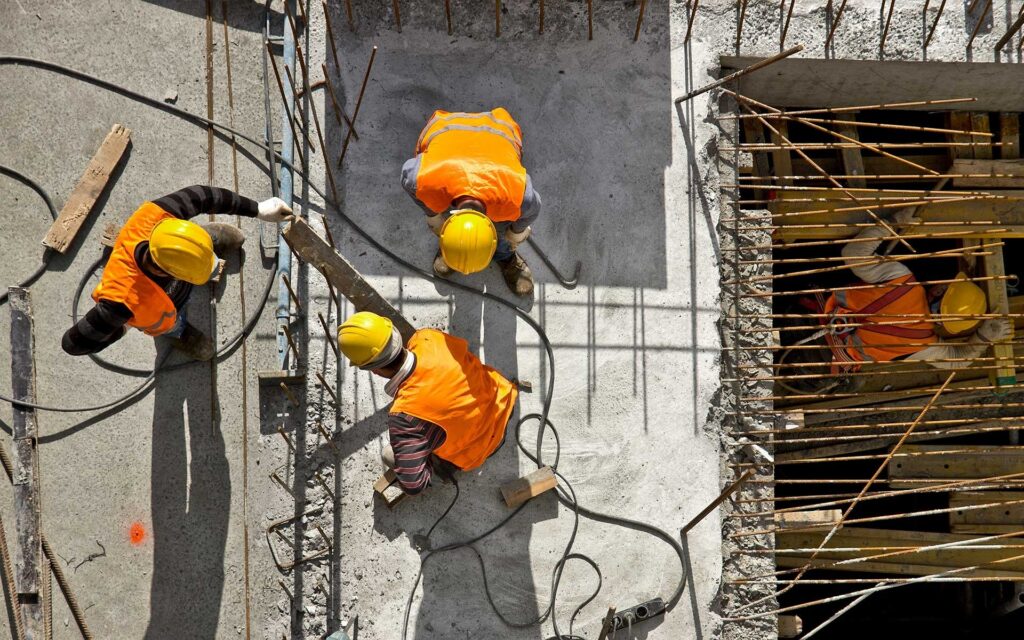
Anyone who works in the open—on a construction site, in the fields, in logistics, or in a factory—risks much more than just an uncomfortable afternoon. Heat stress and heatstroke are real occupational hazards that increase every summer and require something as simple as common sense: staying hydrated, taking breaks, adjusting schedules and shifts, monitoring conditions, and taking action before anyone gets seriously ill.
Something similar happens with torrential rains, though in a different way. The water doesn’t always affect people directly: first, it damages infrastructure —roads, communications, and the power grid—and when those systems fail, connectivity breaks down as well. And without connectivity, warnings don’t reach people in time, aid doesn’t arrive, and a response can’t be coordinated. So, one way or another, it’s the people who end up paying the price.
That’s why prevention here is no longer just an abstract idea. It’s simply about taking care of people when things get tough. And that aspect—people’s health and safety —is exactly the area we’ve been focusing on for years.
Our Perspective at Prodity
At Prodity, we don’t manage rivers or power grids. Let’s be clear about that.
What we do see every day is something else entirely: organizations that collect enormous amounts of data on the environment, safety, and sustainability, and then struggle to turn that data into timely decisions. Valuable information that gets stuck in ESG reports, spreadsheets, or manual reviews that come too late.
And in the face of an increasingly unpredictable climate, that ability—knowing what’s happening and being able to act sooner rather than later—is no longer just a reporting formality but has become something much more important. Organizing a company’s environmental data, seeing it clearly, and reacting quickly is, at its core, yet another form of prevention.
That’s where we believe digitization has something genuine to offer. Not in resolving the crisis, but in helping organizations analyze their own data and make better decisions based on it.

Frequently Asked Questions
Can Digitalization Help Curb the Climate Crisis?
No. Technology does not reverse climate damage or stop extreme weather events. What it can do is help anticipate risks, protect people, and reduce the impact—primarily through prevention and better use of data.
What technologies help prevent the effects of extreme weather events?
Sistemas de alerta temprana que cruzan datos históricos y meteorológicos, redes de sensores IoT que detectan anomalías en tiempo real, algoritmos para gestionar picos de demanda energética y gemelos digitales que simulan la respuesta de una ciudad ante un evento extremo. Suelen estar en manos de administraciones y operadores de infraestructuras.
Why is it more important to prevent the climate crisis than to react to it?
Because a reactive response—taking action only after a disaster has already occurred—is no longer enough. Prevention is less expensive than reconstruction and, above all, saves lives. That is why priority is given to adapting infrastructure and better managing basic resources such as water and energy.
How does the climate crisis affect workers’ health and safety?
Heat stress and heatstroke are real and growing occupational hazards, especially on construction sites, in the fields, in logistics, and in industrial plants. Torrential rains also damage roads, communication networks, and the power grid, making it difficult for alerts and assistance to reach people in time.
What preventive measures can companies take to address extreme heat?
Ensure proper hydration, plan breaks, adjust schedules and shifts, monitor working conditions, and take action before anyone starts to feel unwell. These are simple measures, but they require systematic monitoring to be implemented in a timely manner.
How can EHSQ software help prevent climate-related risks?
It doesn’t manage rivers or power grids, but it does help organizations organize their environmental, safety, and sustainability data, view it clearly, and turn it into timely decisions—rather than leaving it in ESG reports, spreadsheets, or manual reviews that come too late.