


The new ISO 9001:2026 will mark a before and after in quality management. It is not only about updating documents, but also about aligning management with a more digital, agile and sustainable environment.
If your organization is already working with the 2015 version, now is the time to anticipate and plan the transition.
Why a new version of ISO 9001?
Since its last revision, companies have changed radically: irruption of AI, sustainability, automation and new work models.
ISO 9001:2026 seeks to reflect this new reality, reinforcing concepts such as change management, data-driven decision making and integration with ESG objectives.
Main new features of ISO 9001:2026
Although the final text is still under revision, the drafts anticipate relevant changes:
1. Change management and resilience
It will be required to demonstrate how the organization adapts its processes to changing environments, incorporating flexibility and continuous improvement.
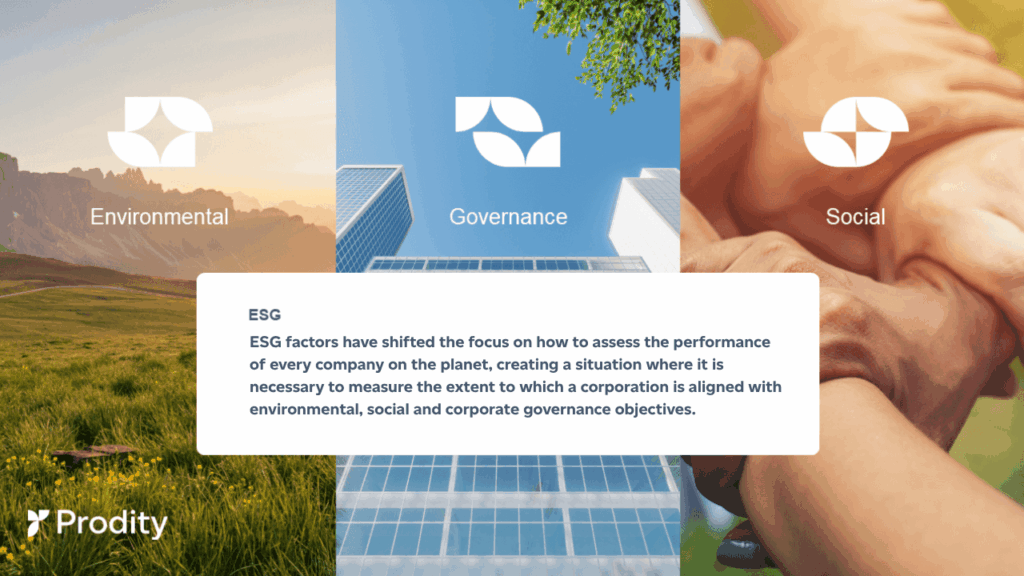
2. Integration with sustainability and ESG
The standard will focus on the environmental and social impact of operations, promoting consistency between quality and sustainability.
3. Digitization and data-driven management
The new approach promotes technologies that improve traceability and process control. Digital tools will be key to meeting requirements efficiently.
How to prepare your transition to ISO 9001:2026
Anticipation is the best strategy. Here are some practical steps:
- Assess your current situation: identify gaps between your current system and the new requirements.
- Strengthens integration between Quality, EHSQ and ESG: sharing indicators and data facilitates more consistent management.
- Digitize your processes: tools such as Prodity Software allow you to automate audits, indicators and controls, reducing time and errors.
- Train your team: the new standard will require a more analytical and collaborative mindset.
Getting ahead of the transition not only avoids rushing, but also improves efficiency and strengthens your quality culture.
Benefits of adapting today
Organizations that start earlier will enjoy distinct advantages:
- Alignment with the most demanding international standards.
- More traceable and sustainable processes.
- Improved reputation with clients and auditors.
- Reduction of administrative burdens through automation.

Conclusion
ISO 9001:2026 is here to drive a new, more modern, integrated and data-driven management. It is not just a matter of complying with the standard, but of using it as a driver of change towards a more agile and sustainable organization.
At Prodity, we help companies to digitize and simplify Quality, EHSQ and ESG management, driving their evolution towards new international standards.
Get ready for ISO 9001:2026 today. Discover how Prodity Software helps you digitize your quality management system and anticipate the new requirements.
Learn about our Quality and ESG modules.
5 Frequently Asked Questions about ISO 9001:2026
1. When will ISO 9001:2026 be published?
It is expected to be officially published in 2026. Companies will have between 24 and 36 months to adapt from the launch date.
2. What changes compared to 2015?
Digitalization, sustainability and change management are strengthened, while maintaining the main structure of the current standard.
3. How to prepare for the transition?
Assess your current system, digitize key processes and foster integration between Quality, EHSQ and ESG to meet new requirements with agility.
4. Will upgrading to ISO 9001:2026 be mandatory?
Not by law, but it will be required to maintain current ISO certification and demonstrate commitment to quality and continuous improvement.
5. What role does digitalization play in this transition?
It is essential: it improves traceability, efficiency and analytical capabilities. Platforms like Prodity make it easier to adapt and comply with regulations.